

Last August, we announced 6 MB-size Ubuntu base images designed for self-contained .NET applications — we called them “chiselled Ubuntu”. How did we make our Ubuntu base images 15 times smaller? And how can you create your own chiselled Ubuntu images? In this blog, I explain the idea behind Distroless container images, which inspired us

The popular open-source platform Kubescape by ARMO has been recently announced as a fully managed operator called a Charm for Canonical’s Charmed Kubernetes distribution. This collaboration between Canonical and ARMO is exciting for the solution it enables for end users, ultimately resulting in hardened and more secure Kubernetes environm

The major changes in vehicle ownership significantly impact the future of the automotive industry.

When people think of home security they usually think of an alarm system with a keypad next to the door. These days, however, home security should have two meanings. I’m here to talk about the second: cybersecurity. In other words, security in the smart home. A recent investigation found that a shocking number of leading

Join us as we look back at some of the transformative changes to WSL over the last year as well as a roundup of our personal highlights and Ubuntu insights.

Public clouds enabled digital transformation at unprecedented speed. But their operational costs over time can be exacting as compute needs increase. Hybrid clouds emerged as an alternative to gain the benefits of both worlds: private infrastructure that allows for lower operational expenditures and tighter control, and public clouds that
Welcome to our 2022 robotics news rewind! We’ll be highlighting some of the most impressive feats of robotics engineering that we covered throughout the year in our robotics news series. It’s incredible to see the progress that has been made in the robotics field this year. We’d like to take this time to thank all

The fastest path towards Linux server management at scale is to leverage technology system administrators know. It is now possible to manage your Debian Bullseye machines with Landscape.

Newsletter signup
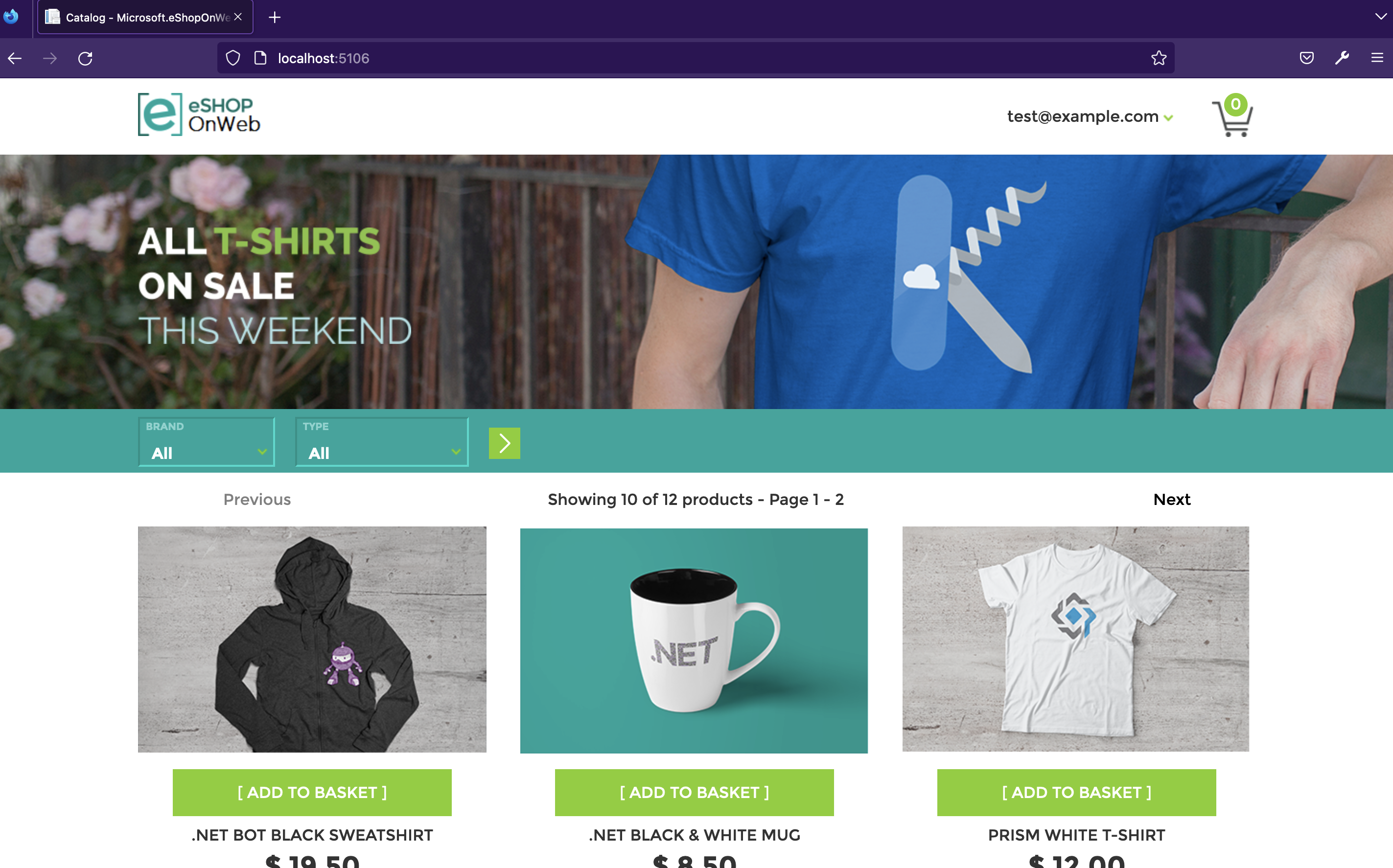
Looking for a way to improve the performance and reliability of your online shopping and payment systems during the holiday season? Look no further than chiselled Ubuntu images! In this blog series, I’ve already discussed the benefits of using these lightweight and efficient images for your containerised applications. In this second part,

As we enter the holiday season, online shopping and payment systems are gearing up for higher traffic and workloads. Ensuring that these applications can handle the increased demand without slowing down or crashing is critical for providing a smooth and efficient experience for customers. One way to improve the performance and reliability

This article was written by Merlijn Sebrechts and Dani Llewellyn from the Snapcrafters community. ===== Last year, we officially re-launched the “Snapcrafters” initiative. We’re a community of volunteers who build and maintain unofficial snap packages. Although snaps make it easy for developers to publish their software directly to users,

Deploy your own micro cloud with a single command in just a few minutes. Try out the new significantly simplified deployment process.
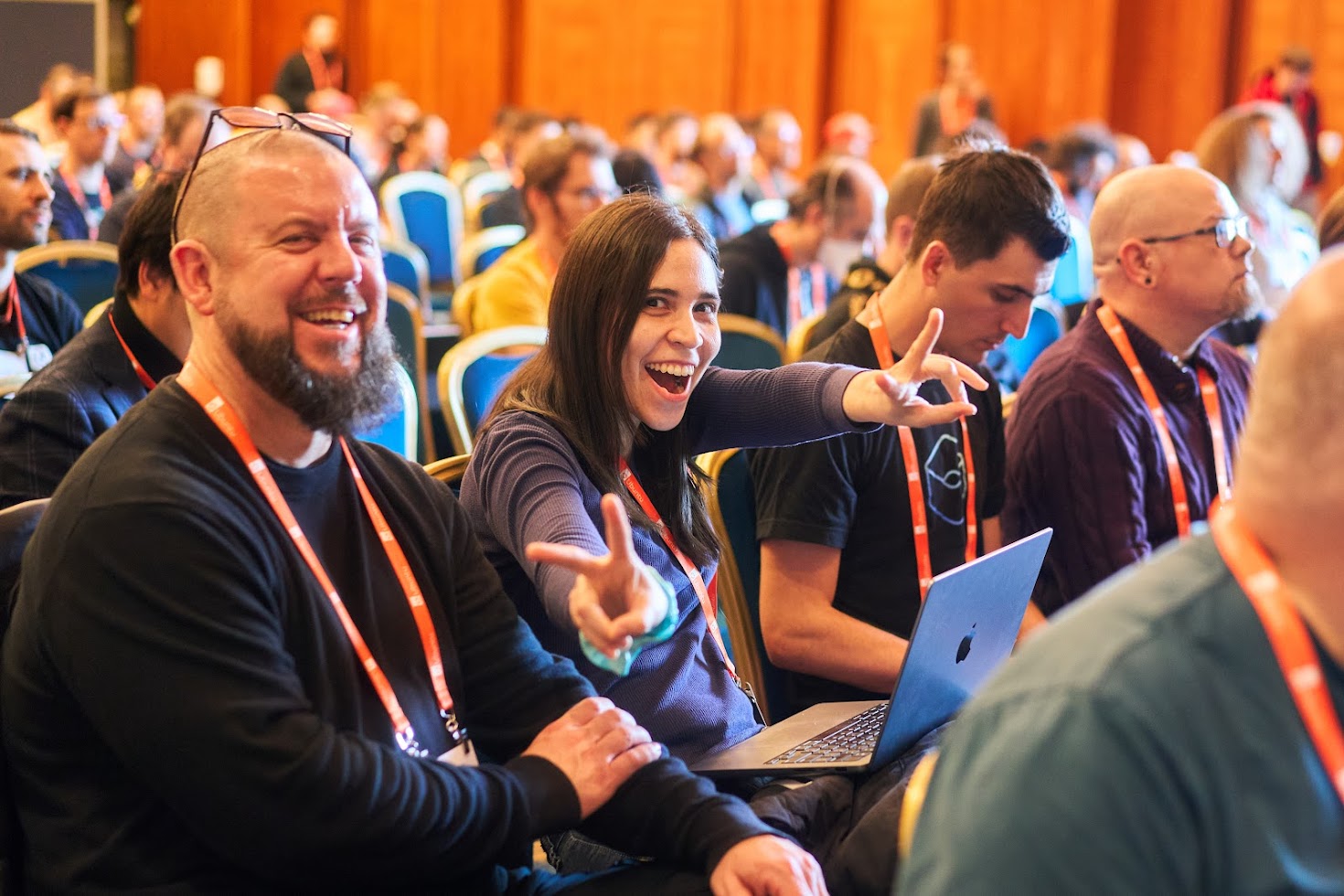
The Ubuntu Summit in Prague was a wonderful and busy few days spent together. There were lots of amazing talks, workshops, and fun times had outside the hotel meeting rooms. If you missed it, go check out the Ubuntu Summit Highlight Reel blog post. One of the end results of the Summit is a large

Repatriation in cloud computing refers to moving workloads from the public cloud to on-premise infrastructure. Sarah Wang and Martin Casado from Andreessen Horowitz have written one of the most popular articles about repatriation: they explain the motivation with the significant cost savings possible. For software-based businesses, public

MLOps is the short term for machine learning operations and it represents a set of practices that aim to simplify workflow processes and automate machine learning and deep learning deployments. It accomplishes the deployment and maintenance of models reliably and efficiently for production, at a large scale. MLOps is slowly evolving into

Dec 13, 2022, RISC-V Summit, San Jose – Canonical joins the RISC-V summit again and showcases the progress achieved in 2022. Followed by the enablement of the first RISC-V board – SiFive Unmatched in 2021, Canonical Ubuntu continues to explore more opportunities with various partners. Linux Made Easy on RISC-V with Ubuntu Open standards
Ubuntu tech blog
Deep dives for developers
Visit the Ubuntu Tech Blog for deep dives into product features, step-by-step tutorials, and the latest updates from Canonical's engineering teams.